Scan to BIM Modeling
Scan-to-BIM modeling that converts registered point clouds into parametric Revit models at LOD 100-400, covering architectural, structural, and MEP scope.
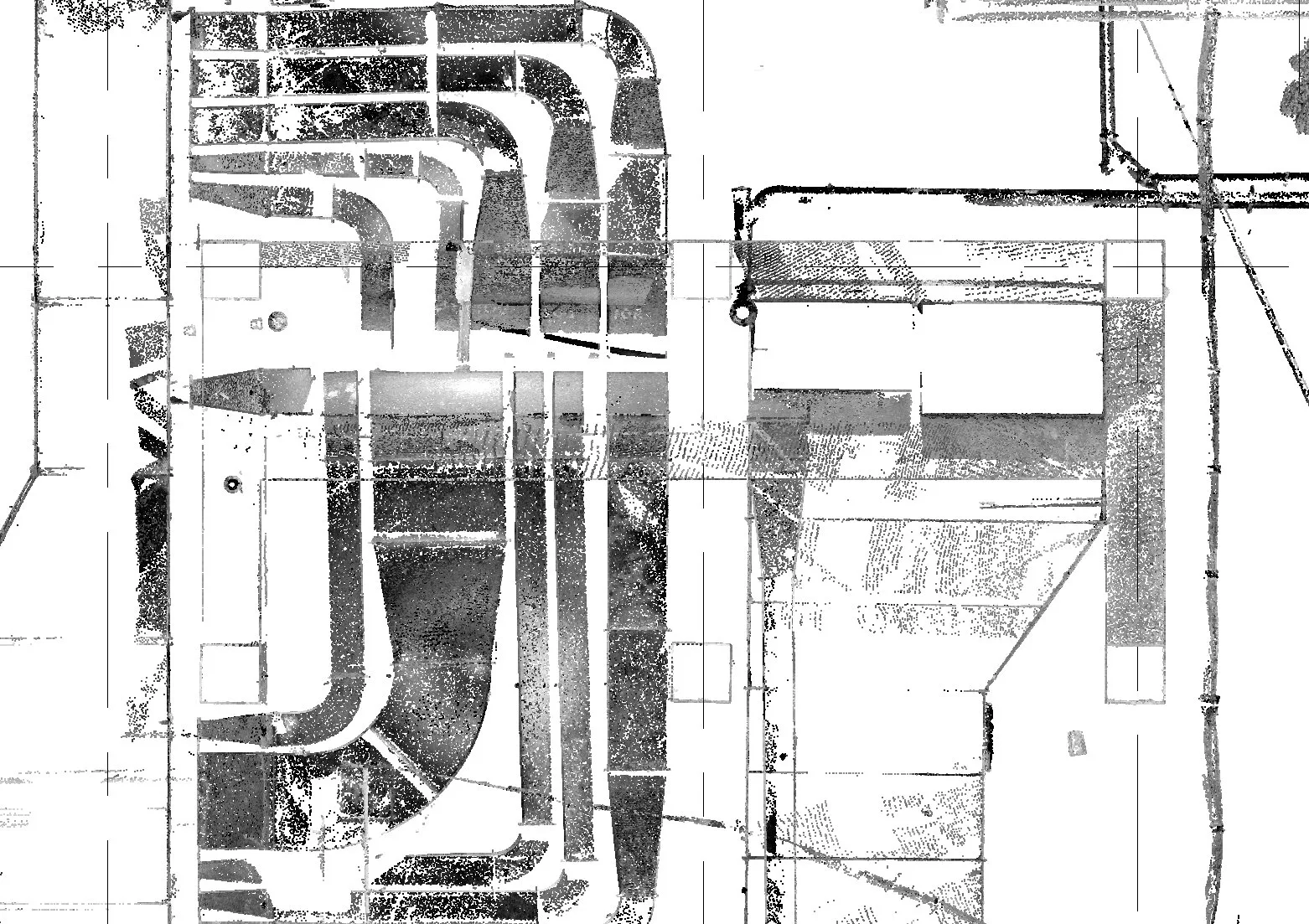
How CG3D delivers it
Our scan-to-BIM workflow turns registered point cloud data into a fully parametric Revit model. Walls, slabs, columns, ducts, pipes, and equipment are modeled as native Revit elements — not dumb geometry — so they can be tagged, scheduled, and edited downstream.
We model to a documented Level of Development (LOD 100-400) agreed up front. Whether you need a coordination-grade model for clash detection or a fabrication-grade model for sheet metal layout, the scope is explicit on day one.
Typical clients include architects sizing renovations, MEP contractors prepping prefab packages, GCs verifying existing conditions, and facility managers building digital twin records.
Frequently asked questions
What LOD do you model to?
Anywhere from LOD 100 (massing) to LOD 400 (fabrication-ready). We agree the LOD per discipline up front so the deliverable matches your downstream use case.
Can you model from someone else's scan data?
Yes — we routinely model from third-party point clouds in E57, RCP, LAS, or PLY format. We will run a QA pass on the registration before we begin modeling.
How long does scan-to-BIM take?
Typical turnaround is 2-4 weeks from scan delivery, depending on building size and LOD. Rush schedules are available for active construction projects.
What's included
- LOD 100-400 Revit modeling
- Architectural, structural, and MEP modeling
- As-built documentation from scan data
- Accurate spatial relationships and dimensions
Why it matters
- Replace guesswork with as-built accuracy
- Hand designers a model they can build on day one
- Reduce field RFIs by catching conflicts in the model
- Enable prefabrication of MEP assemblies with confidence
Ready to scope a project?
Get a free quote for scan to bim modeling across New York State.
Get a Free Quote